Bombed St. Nicholas Church Was Once The World’s Tallest Building

In the busy port city of Northern Germany lay the ruins of a structure that currently acts as a museum and a memorial of World War II. Having been brought down by different disasters, St. Nicholas church, Hamburg, was once the tallest building in the World (1874-1876). The saddest moment in the history of St. Nicholas church, Hamburg, was when it was bombed by the Allied forces in World War II under operation Gomorrah in 1943. But what exactly happened to this significant architectural structure that once held the record of being the World’s tallest building?

St. Nicholas Church, Hamburg History

The first structure of St. Nicholas Church, Hamburg, is dedicated to the patron saint of sailors who went by the same name, was built back in the 12th century. Facing the Alster River, the wooden chapel developed into a brick and stone building. The brick and stone structure remained in place until 1842 when it was destroyed by the great fire of the mid-19th century. It burned to ashes, but soon after the fire, Hamburg’s local citizens started fundraising to build a new structure.

The Great Fire of Hamburg

With over 1700 residences destroyed and 51 people dead, Hamburg’s great fire was one of the most aggressive and destructive disasters of its time. It began early on May 5th, 1842. It burned until May 8th, 1842, displacing people and destroying buildings, one of the destroyed buildings was the old structure of St. Nikolas Church of Hamburg. Many people claim` that the fire originated from a cigar factory at DeichstraBe at night as a neighbor alerted the guard on watch at around 1 a.m. With dry weather, strong winds, and most of the buildings constructed from dried wood, the destruction had full support from the prevailing conditions. That is why it went on and on, destroying structures in the neighborhoods of Hamburg.

Reconstruction

Based on the neo-Gothic style, a new St. Nikolas church structure was constructed. The construction ran from 1846-1874 with the completion of a 147.4-meter spire. After that, St. Nikolas church, Hamburg would then take the title of being the tallest architectural structure globally. Holding the title from 1874 to 1876 until the Rouen Cathedral building in France dethroned it.

World War II Bombing

Just like the biblical Sodom and Gomorrah, operation Gomorrah was all about total aerial destruction of anything and everything that could be seen on the ground. Bombs landed heavily from the sky on the second-largest city in Germany at that time. Buildings were brought down, lives were lost, and property destroyed, leaving nothing but a mess in Hamburg. People struggled to run against the wind on the streets, stepping and jumping on the bodies that lay helplessly on the road. Some dead, others alive in desperate need of help. The Allied forces made these attacks under a plan they termed strategic bombing. Strategic bombing involved sustained attacks on civilians’ houses, city harbors, railway stations, and industrial hubs of the enemy territory. The church building of St. Nikolas, Hamburg, was destroyed during this attack. The rain of firestorms was under the command of the British Royal Airforce and the US Airforce. The attack brought down the church leaving only the spire, having been relatively scathed by the bombs.

Renovated museum

St. Nicholas church’s ruins were renovated into a memorial and a museum for World War II victims. It showcases the effects of war through interactive means such as images, audio, and videos. There is a permanent exhibition titled: ‘Gomorrah 1943: Hamburg’s Destruction through Aerial Warfare’. It provides an all-exclusive line-up of events leading up to the bombing, the actual bombing, and what followed afterward in a bid to reconstruct and heal from the disastrous event. A glass elevator takes visitors up the St. Nikolas church’s spire, the fifth-highest church steeple in the world at 76 meters. From here, visitors can view the port, Hamburg’s city center, and the Alster lakes. Adding to the experience are the images of operation Gomorrah attacks.

Neighboring sister churches

From the St. Nikolas church spire, visitors can also view the neighboring sister churches. They include:

St. Petri’s Church

Hamburg’s oldest church contains the city’s highest accessible viewing platform at 123 meters.

St. Michael’s Church

Hamburg’s largest church with a stunning bell tower offering a panoramic view of the city.

Neuengamme Memorial

A former concentration camp is now serving as a memorial and research center in Bergdorf.

Conclusion

St. Nicholas Church memorial and museum are proof of the adverse effects war has on people and structures. Its conversion into a museum and a monument remind visitors where we came from and why war should be avoided.

Abandoned Loews Kings Theatre

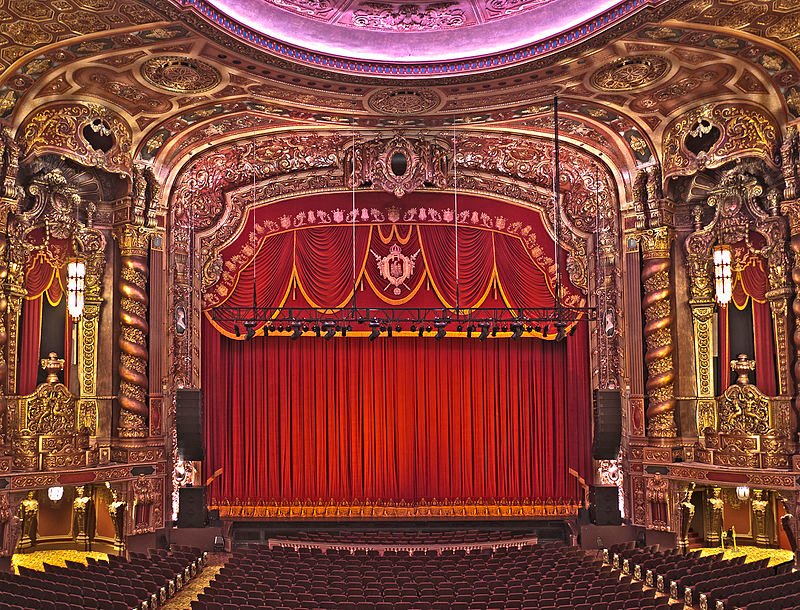
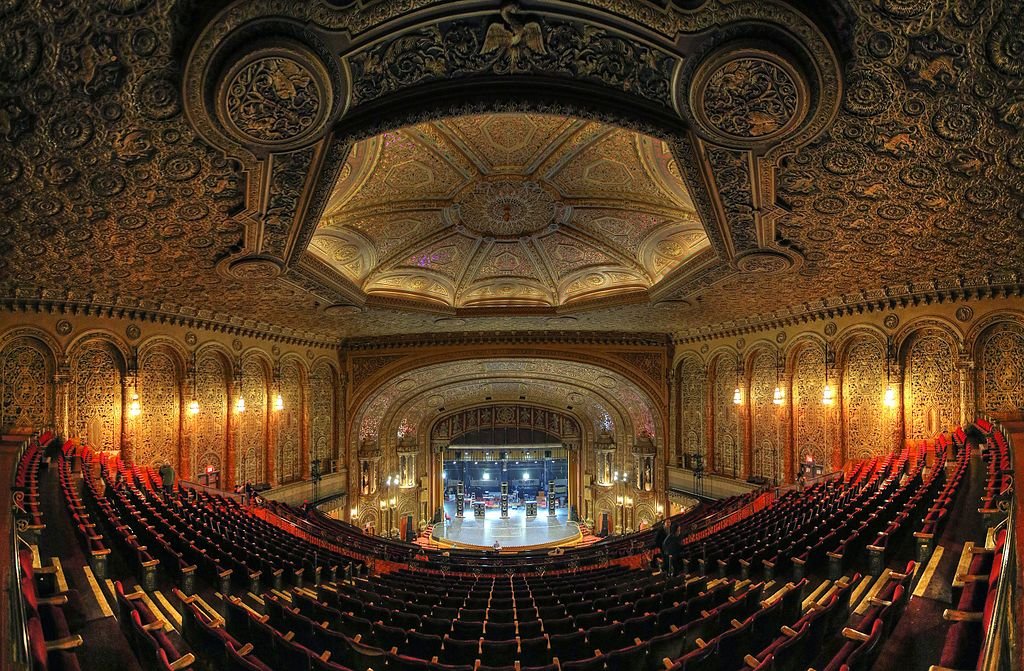
More than three decades ago, Loews Kings theatre closed down. The renovation and restoration of the Loews Kings Theatre mark the rebirth of an excellent historic arts area. The theatre is a center for cultural activities and a hub for economic growth throughout Central Brooklyn. After numerous threats of demolition, the theatre was finally renovated and restored. The renovation took around two years, and it cost $95 million. Today, the newly opened theatre has brought a new look to the state of New York. It is actually the largest theatre in Brooklyn and the 3rd largest theatre in New York with 3,676 seats.

Theatre History

In the ‘50s, this single screen theatre could not compete with television. In August 1977, after showing “Islands in the Stream,” the curtain fell for the last time in the Loews King theatre. By the time the city was seizing the theatre for back taxes, there were a few campaigns to save it, but the campaigns weren’t successful.

The Kings Theatre borrows its design from an elaborate French Renaissance style inspired by the Palace of Versailles and the Paris Opera house. It brings you the best movies and features stage shows with performers like Bob Hope, Milton Berle, and Burn and Allen.

Events at The Kings Theatre

The Kings Loew Theatre is more than just a building and a place where people come to gather. It hosts family shows like the Hip Hop Nutcracker and serves Brooklyn’s diverse population. Kings Theatre had ditched live shows in favor of double features for as low as 25 cents a ticket before its closure. In the 1940s, this theatre hosted beauty pageants, war bond rallies, and high school graduations.

Theatre Restoration

The theatre’s closure led to neglect, water damage, and vandalism for a couple of decades. In January 2013, the Bloomberg administration, Houston-based ACE Theatrical Group, partnered with Goldman Sachs, borough, city, state, and federal entities to restore the theatre. The results now are breathtaking, with the theatre being even more beautiful than before.

It has extra rooms for housing stage equipment, dressing rooms, and a loading dock with a massive packing basement. The Kings Theatre aims to be a community theatre; whether you want a family show, comedy, or a concert, there is something for everyone. Apart from the films, this theatre has created over 500 jobs for the local community, including 55 permanent jobs.

The Kings’ Sister Wonder Theatres

The Loews Kings theatre is one of the five “Wonder Theatres,” named after Robert Morton Wonder Organs. However, the plans and the land got sold to Loew’s inc. to solidify New York as Loew’s home base. These five theatres exist, and since Loews Kings Theatre is now open, the other four are open as well. These wonder theatres include:

Loew’s Valencia

The theatre has a lavish Spanish style decoration with a ceiling that has twinkling stars. It is now preserved as a church by the Tabernacle of Prayer for all people since its closure in 1977. Each year, it offers several tours available to members of the public.

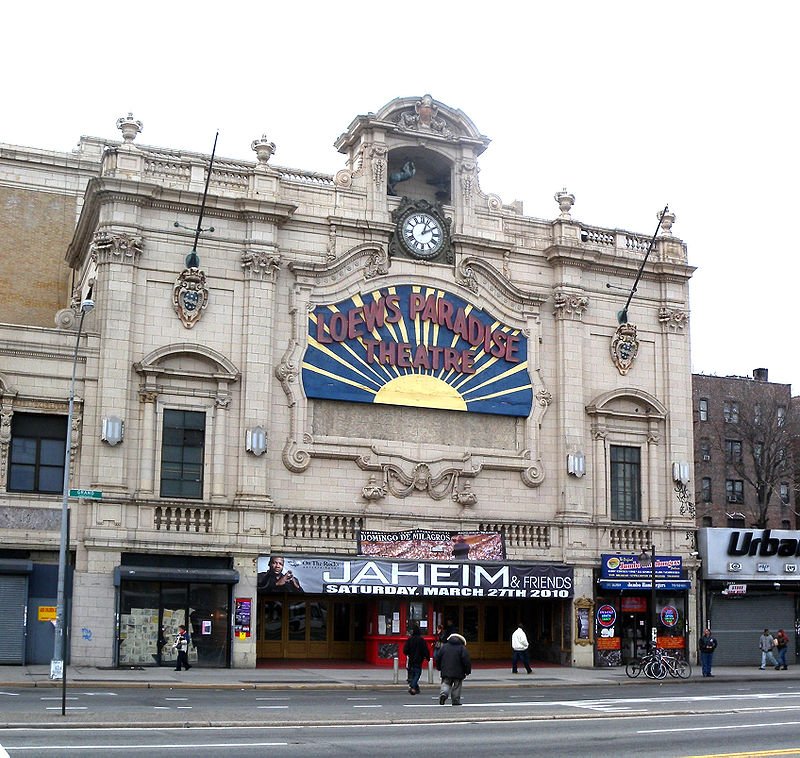
Loew’s Paradise

Like Loew’s Valencia, this magnificent movie palace opened its doors the same year as the Loews King Theatre. It was later closed in 1994 and is now open as a single auditorium for concerts and special events.

Loew’s 175th Street

This theatre occupies an entire city block on Broadway in Washington. After its closure in 1969, an evangelist brought it to use as a church. Currently, it’s a renowned concert venue where movies are shown once a month.

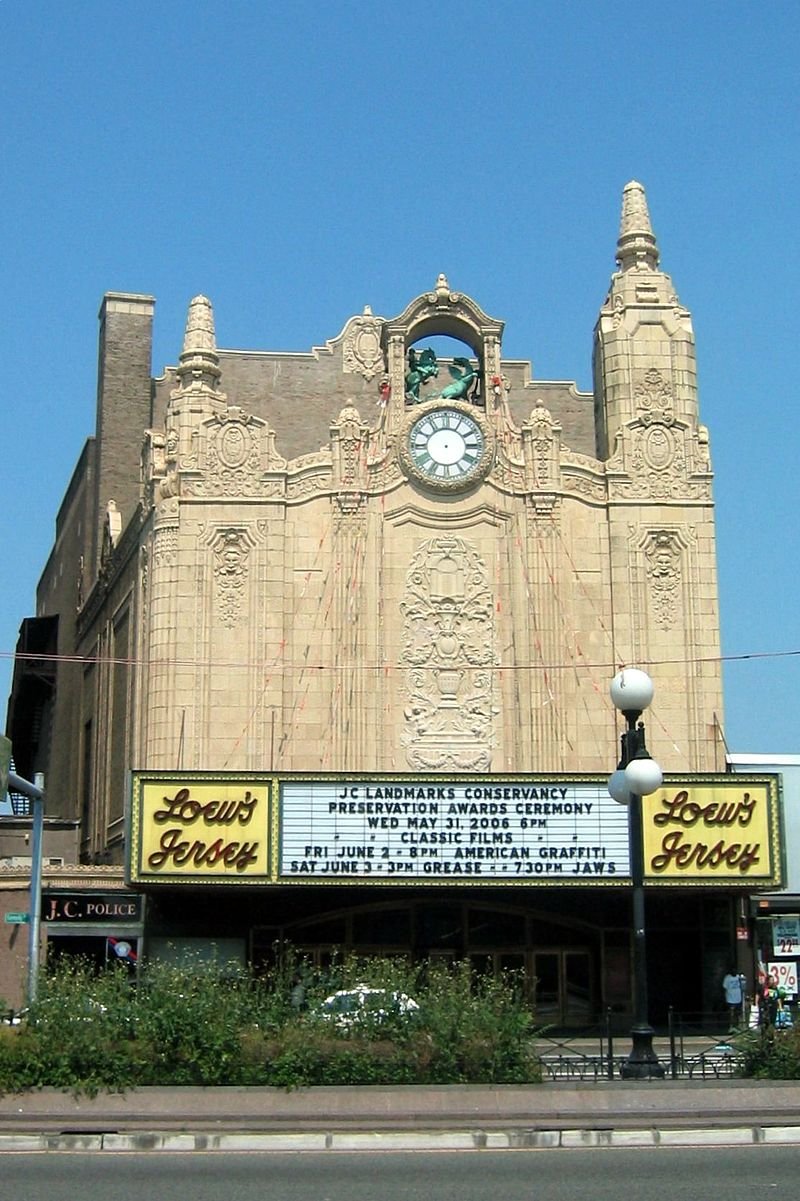
Loew’s Jersey

This theatre has a similar French style as Loews Kings Theatre. Loew’s Jersey got subdivided into three screens before its closure. Following its restoration, the theatre is now reopened for monthly movies and live events. Surprisingly, this is the only Wonder Theatre with a functioning Wonder Organ today.

Conclusion

You can now visit Loews Kings Theatre as it hosts over 250 performances each year, including movie films. The entire Brooklyn neighborhood benefits from the newly renovated theatre, with new businesses around the area set to open. For instance, half a mile from the Kings Theatre is a redesigned Flatbush Caton Market opened in 2020 with space for vendors and units of affordable housing. These new stores and businesses have brought new jobs, visitors, and economic growth to the community.

The Wild Men of Borneo – Hiram and Barney Davis

Early Life

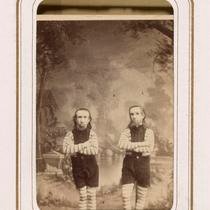
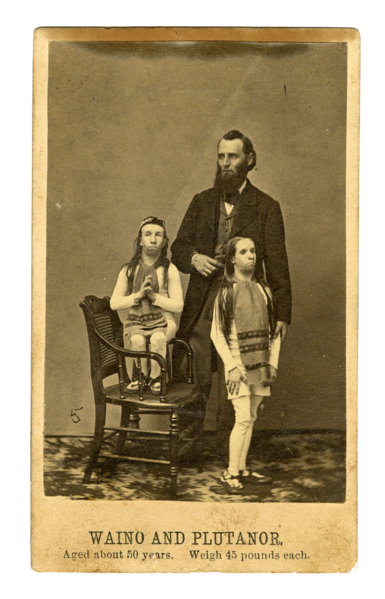
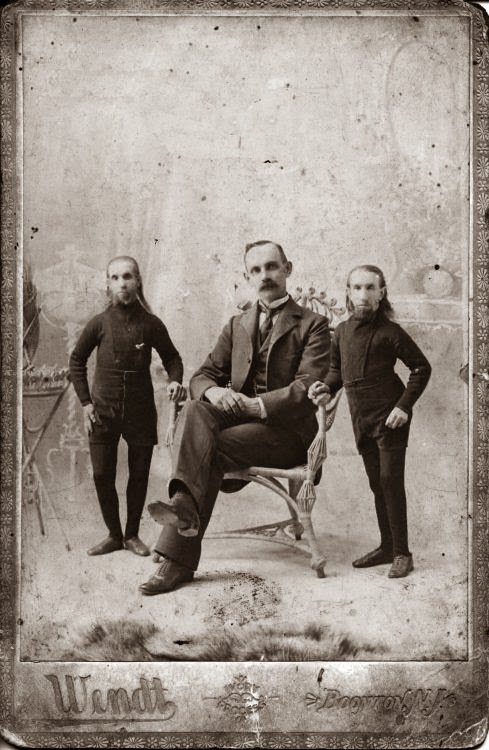
The year was 1827, and little Hiram was so excited to be getting a little brother. His father, David Harrison Davis, and his mother, Catherine Blydeburgh, had moved their family from England shortly after Hiram was born. Now, the three-year-old could hardly wait to welcome little Barney into the world. As Hiram and Barney grew, it became apparent that they were not like other boys. It might be more accurate to say that they didn’t grow. Reaching a height of only 3 feet, 4 inches, and weighing in at a mere 45 pounds each, it would be an understatement to say that the Davis boys were different, yet those differences didn’t stop them from living the most ordinary lives they could manage. Their so-called ordinary lives went out of the window when Hiram was 27. He and his 25-year-old brother had discovered that – even though they were barely half the size of most ordinary men – they each possessed a strength that was more than a match for their unhindered peers. Neither of them had a problem lifting a full-grown man, despite the fact that he weighed four times more than they did!

Early Career

This incredible spectacle was noticed by a traveling showman who went by the name of Doctor Warner, and he was quick to hire Hiram and Barney. He put them to work under a new moniker: Waino and Plutanor, the Wild Men of Borneo! The newly christened Wild Men left their mother – widowed ten years before – in the capable hands of her new husband and began their tour across the nation with Doctor Warner. Over the next few years, the brothers were featured in state fairs across the United States, displaying feats of strength such as lifting increasingly heavyweights, picking up audience members, and even challenging the spectators to wrestling matches. During this time, they changed managers at least once, and they were working with a Hanford A. Warner, a relative of the original Doctor Warner, by 1875. Highly successful, valued at $50,000 – which is the equivalent of over 1 million dollars today – and performing at the New American Museum in Manhattan, the brothers decided to join the circus. They teamed up with a gentleman named William C. Coup and started another tour of the nation.

Making It Big

Their fortunes changed again, however, in 1882 when they met another manager by the name of P. T. Barnum. Phineas Taylor Barnum had a successful and varied career. He had served as a politician in both Connecticut and Virginia, dealing with issues such as the ratification of the Thirteenth Amendment and the founding of Bridgeport Hospital in Bridgeport, CT. Not to be stymied by old age, Barnum established P. T. Barnum’s Grand Traveling Museum, Menagerie, Caravan & Hippodrome in 1870, at the age of 60. This “Greatest Show on Earth” would later receive a name change: The Barnum and Bailey Circus. By 1882, however, Barnum had experienced moderate success with his traveling show of animals and museum of “freaks.” After seeing the Wild Men of Borneo perform, he believed they would make an excellent addition to the show. And so the Davis brothers continued their performances under the new tutelage and leadership of P.T. Barnum, and with his help, they became wildly famous. The Wild Men toured for 25 years with the Grand Traveling Museum and found enormous success, earning around $200,000 during their tenure with Barnum, which is an enormous amount during those days. This amount is estimated to be equivalent to 6 million dollars today. The Wild Men of Borneo act was essentially a strongman performance but made all the more spectacular by the small size of Waino and Plutanor. They continued lifting weights and audience members, as well as wrestling both audience members and each other. Supposedly, each brother could lift up to 300 pounds.

Late Career and Retirement

After their tenure with P.T. Barnum, the brothers began performing at Eugene Robinson’s Dime Museum and Theatre, allowing them to settle down after nearly 40 years of traveling shows. They were a consistent hit for Eugene, and they continued to perform after Eugene’s son took over. By 1903, however, the brothers had enough; they finally retired from performing and settled down in Massachusetts, close to their old friend and former manager, Hanford Warner. Hiram Davis died on March 16, 1905, and his brother died seven years later, on May 31, 1912, and they were both buried under the same marker, which read “Little Men.” Some might argue that the marker is a misnomer, however, for though the Davis brothers may have been small of stature, the lives of the Wild Men of Borneo were bigger than life.

New Zealand Village Buried Under Massive Mud Volcano

Te Wairoa, also known as the Buried Village, is a deserted village in New Zealand as a result of the Mount Tarawera volcanic eruption that affected the city, Rotorua. The event has been deemed New Zealand’s greatest natural disaster to date.

The Eruption Of Mount Tarawera

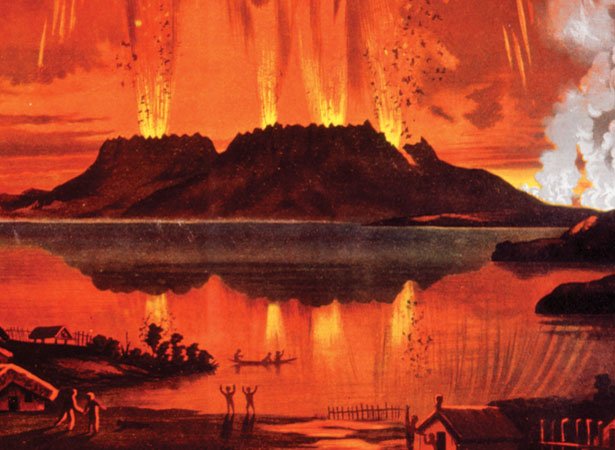
Painting by Charles Blomfield (Alexander Turnbull Library)
The eruption took place in the early hours of June 10, 1886. Shortly after midnight, villagers were woken up by a sequence of nearly 30 earthquakes. After several hours of persistent shocks, a final, much larger one was felt. This was then followed by the sounds of massive explosions, which caused many to flee the village. These explosions were only the beginning of Mount Tarawera’s deadly eruption, which reportedly lasted nearly four hours, ruthlessly covering the village with mud, ash, and rocks. At about 2:30 am, the volcano’s three peaks erupted, blasting smoke and ash thousands of meters into the sky in three columns, giving off an unusual lightning display. The final phase of the eruption consisted of a pyroclastic surge, which destroyed everything within a 6-kilometer radius of the volcano. Tephra, measuring approximately 2 cubic kilometers, erupted. Experts have estimated that about 120 to 150 deaths occurred from the catastrophe. Many of whom were people residing in villages closer to the volcano. Recent research, along with eyewitness accounts of the event, describes the eruption as resembling a pot of water boiled over.

The History Of Te Wairoa

By Michael Rogers – en:wikipedia, CC BY-SA 3.0, https://commons.wikimedia.org/w/index.php?curid=1334311
The ghost town of Te Wairoa is located close to the shore of Lake Tarawera. This is the largest out of a series of lakes surrounding Mount Tarawera in New Zealand’s North Island. The village was inhabited and founded by the Maori and Europeans nearly forty years before the disaster.

Effects Of The Eruption

The eruption impacted many of the surrounding bodies of water. It dramatically altered Lake Rotomahana in size after the disaster. This lake was the largest crater involved in the eruption that refilled with water, due to its enlargement over time. Mount Tarawera split after the eruption and created the Waimangu Volcanic Rift Valley. The land surrounding the mountain was covered in ash and debris that measured about 20 meters thick, covering and flattening forests and wildlife. Settlements surrounding the Ariki arm of Lake Tarawera have been deemed destroyed by the volcanic disaster. These settlements, known as the Ngati Rangitihi and Tuhourangi settlements, included Moura, Koutu, Kokotaia, Piripai, Pukekiore, and Otuapane. Other villages that were either buried or completely destroyed included Tapahoro, Te Wairoa, Totarariki, and Waingongoro. The people within these villages immediately became refugees in their own country for generations to follow.

Pink And White Terraces

The village was famously known for the mysterious Pink and White Terraces. These beautiful hot spring terraces were a major tourist attraction for reportedly being the largest silica sinter deposits on earth, attracting many visitors from overseas. The terraces were once regarded as the eighth natural wonder of the world but were destroyed during the eruption along with the village of Te Wairoa. The terraces formed over the course of thousands of years, resembling giant staircases. The pink terrace was mainly used for bathing. A research team recently rediscovery a part of the Pink and White Terraces after mapping the lake floor. The announcement of this monumental rediscovery in 2011 marked the 125th anniversary of Mt. Tarawera’s eruption in 1886.

Te Wairoa Today

The buried village is open to the public as a tourist attraction. Relics that have been discovered following the eruption have been put on display at a museum within the village. Excavated ruins can also be viewed along with a history of the eruption by the guides. The museum can be located on Tarawera Road, which is about 14 kilometers southeast of Rotorua. Hinemihi, a Maori meeting house that aided villagers during the eruption, can also be toured. The shelter was relocated in 1892 to Clandon Park as a garden building dedicated to William Onslow, 4th Earl of Onslow. He held the position of governor in New Zealand from 1889 to 1892. Urban legends have been relayed over the years involving claims of a phantom canoe that was witnessed eleven days before the eruption. A boat full of tourists leaving the terraces claimed to have seen a war canoe approach their boat, only to disappear shortly after. Strangely, nobody around the lake owned such a canoe, and they haven’t been able to track it down. Several letters from the tourists that experienced the event have been published, and tribal elders insist that it was a Waka Wairua. Legend tells that these spirit canoes signal doom. Many skeptics have challenged these claims, but the event remains a mystery.

History and Story of Sarah Winnemucca

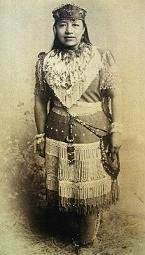
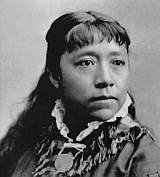
Perhaps you’ve heard of the native American woman activist, Sarah Winnemucca. As a child, her birth name was Thocmetony, which means “Shell Flower.” She was born near Humboldt Lake, Nevada, just around the Gold Rush period in 1844. Sarah was part of her tribe’s “royal family” because her father and grandfather were Northern Paiute chiefs.

Early Life

Her family moved to Stockton, California, when Sarah was six years old. As she grew older, Sarah went to live in a modernized white household. This is where she learned how to read and write English and also adopted her first name, Sarah. Eventually, she joined the San Jose convent school as a student but was forced to drop out after parents of white students complained about her presence. In 1860, a war broke out between Native Americans and the nearby settlers who were white. Sarah lost some of her family members during the war. After brief negotiations, the two conflicting groups finally came to an understanding and reached a truce.

Family and Marriage

Sarah got married to Edward Barlett, a lieutenant in the army, in January 1872. The two stayed married for four years but later divorced in 1876. Her second marriage was in 1878 when she tied the knot with Joseph Satwaller, but the two later divorced. In 1881, Sarah was serving under General Oliver Howard; in the course of her duties, she met lieutenant Lewis Hopkins whom she eventually got married to in San Francisco.

Bannock War

In 1878, a tribe called the Bannocks began attacking the whites. Sarah became a messenger and interpreter between the two forces. She also learned that the Bannock tribe had taken her father and his band hostage. Sarah played a crucial role in rescuing her father and the band from the enemy camp. After the Bannock war, her tribe was exiled to the Yakama reservation in Washington during a harsh winter. This move resulted in the death of many Paiutes. Sarah became very disturbed by this, and she began championing the rights of Paiutes. She delivered numerous lectures in Northern Nevada that mainly talked about the plight of the Paiutes.

Educator, author, and activist

She became devoted to improving her people’s lives and lobbied for Native American causes by writing and mailing dozens of letters to the capital. Eventually, alongside her father and brother, Sarah traveled to Washington, DC, to ask for the release of Paiutes from the Yakama reservation. However, Carl Schurz, the Secretary of the Interior, did not live up to the promises she made to Sarah. The Paiutes remained stuck in the Yakama reservation. Sarah then decided to mobilize her people by encouraging them to refuse to farm or build houses on the reservation. According to her, the passive resistance would indicate that the Paiutes were not willing to stay in the Yakama reservation for an extended period. Paiutes then began escaping the reservation in small groups.

Speaks Out for Her People

Around this time, Sarah began gaining national recognition. She was so headstrong and, at one time, even testified before Congress. Moreover, Sarah delivered lectures in churches, theaters, and parlors decrying the reservation system. It’s believed she gave more than 300 talks in the Northeast and Mid-Atlantic cities. Sarah then became a popular critic of the reservation system and often appealed to the public through interviews and newspaper statements. Sarah wrote her autobiography, “Life among the Paiutes: Their Wrongs and Claims” in 1883, becoming the first native American Indian woman author. The autobiography mainly entailed the history of her tribe, culture, and letters from her supporters. The Peabody sisters published it, even though other publishers rejected her book, claiming it had “plain personalities.” Sarah started an American Indian school in 1885 using the funds she had received from private donations. The school was built on her brother’s ranch near Lovelock and was one of the first schools to offer native Americans the chance to receive a good education.

Final Days

Unfortunately, her school closed down four years later due to a lack of funding. After that, Sarah moved to her younger sister’s place at Lake Henry’s, Idaho. She died there in 1891, probably of Tuberculosis. Today Sarah Winnemucca is still recognized as a relentless Native American activist. Scholars posthumously inducted her into the Nevada Writers Hall of Fame, and in 2005 her bronze statue was unveiled in the US Capitol Statuary Hall.

The ‘Red Ghost’ of the American Midwest

The story of The Red Ghost of the American Midwest is a morbid, grisly one. It is filled with the “demon beasts” and mysterious intrigue of 19th-century American territories.

A Gruesome Ghost Story

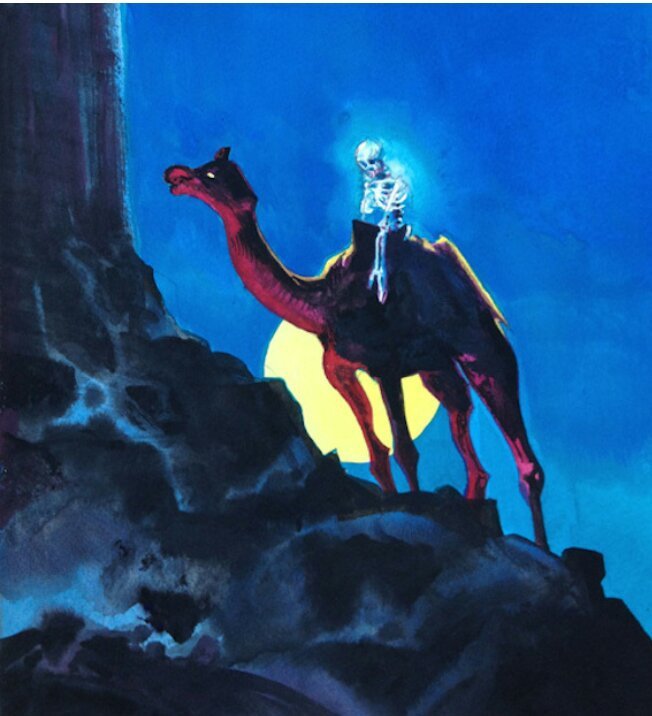
The tale begins in 1883 with two women on a ranch at Eagle Creek near the border of Arizona and New Mexico. The women were home alone with their children when one woman went out to the stream to collect water. A few minutes later, their dog started to bark, and the second woman went to the window. She heard terrible screams but was too terrified to do anything; she would later describe seeing something huge, red, and “ridden by a devil.” When the men of the house returned later that day and heard what happened, they went out to investigate. The first woman lay trampled and dead in the mud. Around her were huge hoof prints, bigger than a horse’s. Caught in the brush were strands of red hair. A few days later, two men who had come to sift for gold were camping by Chase’s Creek, several miles northeast of Eagle Creek. They were woken up to their tent crashing down around them. The men heard a scream and the battering of hooves. They saw the form of what looked like a gigantic horse scurrying away through the bushes. After they recounted the tale to the other miners at the mining camp, a few miners accompanied them back to the scene to take a look. They found enormous hoof prints and long, red hairs stuck to the bushes. The narrative of the “Red Ghost” spread throughout the area, told by miners and workers around the campfire. Many were skeptical by what they heard, and as campfire stories are wont to do, the tales began to grow taller and wilder. One report claimed that someone witnessed the beast devouring an entire grizzly bear. Another declared a man had chased the animal down just to see it vanish into thin air.

The Story Grows Stranger

However, a few months after the first attacks, the events would turn spookier than even the storytellers could imagine. A group of miners along the Verde River spotted the Ghost from afar. They began shooting at it, and the animal fled their gunfire. When it did, they noticed something shake loose and fall to the ground. Upon approaching the spot where it had fallen, they discovered a human skull with bits of flesh and hair. Several years later, the identity of the Ghost would finally be revealed. A rancher near Eagle Creek caught a large red animal grazing in his tomato patch, shot, and killed it. It was a camel. But the Ghost still had one last surprise up its sleeve. When the man examined the body of the dead camel, he saw it had pieces of rawhide wound around its back, shoulders, and under its tail. In concurrence with the skull, it appeared that someone was once belted to the camel and died on its back; the camel toted the dead remains around for years.

The History Behind the Tale

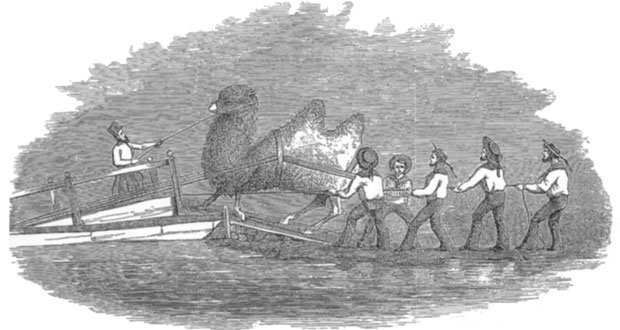
But why were camels even roaming around 19th century Arizona in the first place? Just before the Civil War started, Secretary of War Jefferson Davis implemented the importation of 75 camels into the United States. The idea was to employ them to survey the widespread land of the west, and to carry supplies between military outposts. Many of them were kept at Camp Verde in Texas and used for short trips to San Antonio. Eventually, two dozen camels were sent on a 1,200-mile expedition through the arid desert in the middle of the summer heat to California. They were able to accomplish what horses would never have been capable of. However, after only about a decade, most of the camels ended up being sold at auction. By the 1880s, the majority of camels had been set free to wander about the territory. How a man came to be strapped to a camel and destined to a deadly fate remains to be seen.

Western Fact or Fiction?

Just how much of this macabre tale is fact and how much is fiction will perhaps forever be unknown, but this much is true: the story of The Red Ghost is one of the most exhilarating ghost stories emblematic of the American West.

Story of Jane Rebecca Yorke

Jane Rebecca York is most widely recognized for being the last person convicted under the Witchcraft Act of 1735. Parliament in the Kingdom of Great Britain passed the law to prohibit any person from practicing witchcraft. If found guilty, instead of being hunted or executed for his or her crimes, the person would be sentenced to imprisonment. The maximum prison sentence was one year. This act ultimately marked the end of the witch trials of the early modern period.

Jane, The Medium

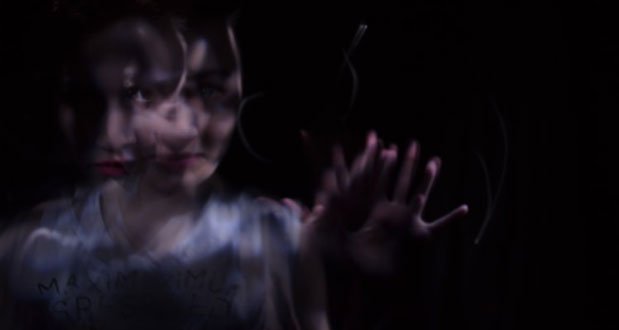
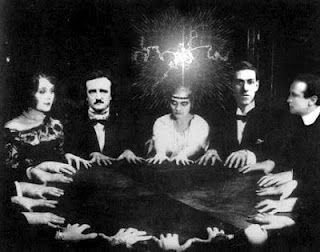
Jane Rebecca Yorke was born on January 27, 1872, in England. She was a medium who practiced in Forest Gate, east London. Several witnesses claimed to have seen her conducting seances and summoning spirits of those she encountered on the streets. Her conduct in public as a medium was not necessarily pleasant, and she was known to cause a ruckus. Complaints were commonly made to the police that she was cheating the public and capitalizing on wartime fears. This was due to Jane’s consistent use of war references during her seances. Other witnesses claimed to have seen her frighten a woman on the streets by telling her that she saw the spirit of her dead brother. She also warned the woman that her husband’s life was in danger. This ultimately made the woman hysterical, causing witnesses to the exchange to become distrustful and fearful of Jane. Aside from her direct interactions with the spirits of the people she met in public, she also made other predictions and assertions. One of her later magical claims was that she had the ability to summon widely recognized spirits including Queen Victoria with the help of her Zulu spirit guide. The Zulu are an ethnic group from South Africa primarily known for their ceremonial practices and unique belief systems. She also predicted that the Second World War would end in October of 1944. This prediction was proven untrue. The war ended in September of 1945.

Investigation Against Jane

Once the police were informed of her practices, they decided to go undercover and pretend to be clients. They formulated a plan to ask about non-existent family members to catch her in the act of fraudulent storytelling and encounters with the dead. During these seances with the undercover police, Jane made detailed claims that these non-existent family members were burned alive during a bombing mission. Jane states that she was provided with this information by her spirit guide.

Trial and Sentencing

Law enforcement officials and the general public eventually caught on to her false narratives. She was officially arrested by police in July of 1944, her trial set in September of that same year. The trial took place at London’s Central Criminal Court. She was found guilty on seven counts according to the Witchcraft Act of 1735. She was given a very light sentence due to her old age — she was 72 at the time of her conviction. She was sentenced to good behavior for three years and fined five pounds, as long as she no longer performed seances or scared the public with her vivid storytelling.

Was Jane Actually a Medium?

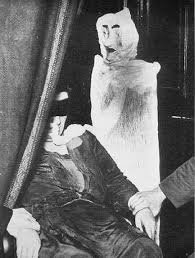
It is unclear whether Jane was a real medium due to the countless witnesses disproving her claims. What makes her story particularly conflicting are the comparisons of witness accounts between her story and those who preceded her. Helen Duncan was the last person imprisoned under the Witchcraft Act of 1735. She was also a medium and frequently practiced her clairvoyant ability. What makes Helen and Jane’s stories different are witness accounts supporting Helen’s authenticity. The most unique aspect of Helen’s case was the use of ectoplasm during seances. Ectoplasm is described as a substance exuded from the ghostly body. However, it was still difficult to identify the substance as real due to lack of research and understanding at the time. Unlike Helen, Jane had no concrete evidence to support her claims, leaving many to believe that she was a fake. Even to this day, little is known about unique spiritual abilities and research is still being conducted to study the phenomenon.

Aftermath

Jane’s trial marks the end of the western world’s witchcraft trials. The Witchcraft Act of 1735 was eventually phased out in the 1950s.

Howard Johnson’s, Host of the Bygone Ways

Howard-Johnson-abandoned-restaurant-Afton-Mountain-closed-in-1998
For more than seven decades American roads were dotted with the familiar orange roof and blue cupola of the ubiquitous Howard Johnson’s restaurants and Motor Lodges.  The company’s founder and namesake was a grade school dropout who became a franchising pioneer and introduced the restaurant industry to centralized purchasing.  Johnson repeated his formula with motor lodges, creating one of the world’s largest hotel chains. In 1965 Howard Johnson’s sales exceeded the combined sales of McDonald’s, Burger King, and Kentucky Fried Chicken.  By 1979 the “Host of the Highways” had become the largest hospitality company in America, with more than 1,000 restaurants and 500 motor lodges.  But the company saw a decline of its rule over the roadways in the 1970s after a series of events destroyed the company’s earnings. Over the last decade and under new ownership “HoJo” hotels have thrived, but the final dozen restaurants were left to rot.  Today all have closed, except one.