Exactly how high is the highest city in the world? How about over 3 miles? La Rinconada Peru is a rare case: an old gold-mining camp in a remote location that has grown to ‘major city’ status, and stayed there. Over 50,000 people live in this mountainous city located in the Peruvian Andes. At an altitude of 16,732 feet (5,100 m), it lays claim to the title of “highest city in the world.”
Action Park was one of the first water parks in the United States, and by the time it closed in 1996 it was the most dangerous. The park was a pioneer, not afraid to experiment with attractions in the quest for fun. Aggressive ad campaigns brought a million visitors per year and turned the northern New Jersey water park into a household name. But a lax attitude toward safety eventually caught up with the owners. After 18 years of operation, a series of lawsuits stemming from injuries and deaths forced the park to close. This is a look-back at the classic water park and the wild attractions which made it famous.
The Horace Mann School of Gary, Indiana is on the short list of American high schools that have graduated more than 75 classes of students. A creation of innovative educator William Wirt, the unique school took seven years to build and was finished in 1928. The campus set a new standard for the area’s public schools by featuring landscaped rolling hills, multiple gyms and pools, and even a man-made pond. Horace Mann’s fortunes would ebb and flow with those of Gary; when the city’s population declined so did enrollment at the school. In 2004 the school board voted to shutter the building, and nine years later the ailing building still stands vacant and crumbling. Is the school’s rich history enough to secure its future?
Plans for the S.S.America were laid down under the first Maritime Commission contract on August 22, 1938. The builder was to be the Newport News Shipbuilding and Dry dock Company, in Newport News Virginia. The America was designed by noted naval architect William Francis Gibbs and constructed for the United States Lines company. She was one of the few ocean liners of the time that had interiors designed by women. The S.S. America was launched on August 31, 1939 and was sponsored by Eleanor Roosevelt, wife of the President of the United States. The America served her owners faithfully for 55 years until she was finally run aground in the Canary Islands in 1994. To this day she sits stranded, and deteriorating.
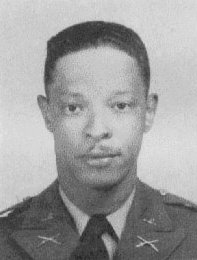
Have you ever heard of the first African Americans to be awarded the medal of honor after their death in American history? Well, that list would never be complete without the name John Robert Fox. Born in Cincinnati, Ohio, on 18th May 1915, John R. Fox showed great courage in the face of danger on the battlefield, against the Germans, by calling an artillery strike firing towards his position. But what exactly happened that led to his recognition as a great icon of courage and receiving the medal of honor award, the nation’s highest military decoration?
Who was John R. Fox?
John R. Fox was the eldest of his three siblings raised in Wyoming, Ohio. Before transferring to Wilberforce University as a commissioned college-going officer working under World War I veteran Aaron R. Fisher, Fox attended Ohio State University. Fox graduated with an Engineering degree and became a U.S. Army second Lieutenant in 1941. Fox would then serve in the military under the segregated African-American division until his patriotic death on 26th December 1944 at the World War II waterfront in a small Italian village, Sommocolonia, Italy. Fox went against all odds to become a hero in his country, having been denied many rights for the sole reason of being black.
Sommocolonia, Italy
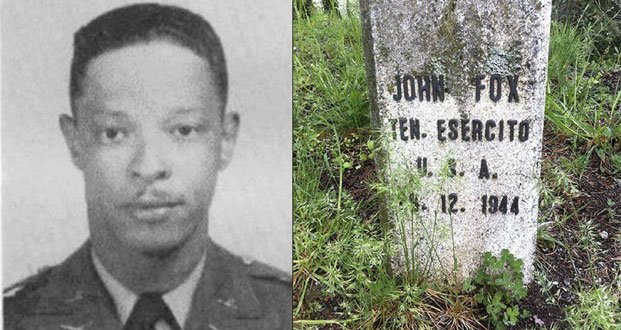
Known as the land of seven hills, Italy has many beautiful and attractive villages located on the hilltops. Sommocolonia is one of those hilltop villages. Located in Barga, Italy, Sommocolonia was heavily damaged and affected during the Second World War. With less than 50 inhabitants, Sommocolonia is a lonely village with winding roads. When you visit, you will be met with a commemorative tombstone of John R. Fox, who sacrificed his life in a bid to stop the German Nazis who had overpowered his infantry division in 1944.
What Happened in Sommocolonia?
Imagine being at the war front against an enemy who has outnumbered you both in strength and aggression. You notice that your infantry squad needs time to reorganize themselves before attacking; else, they will all be killed. This situation is what made John R. Fox sacrifice his life for the sake of his fellow soldiers. On Christmas night, 1944, there was an increase of enemy soldiers in civilian clothes. By morning the following day, the town had been placed under the enemy command. On 26th December, uniformed German soldiers launched several attacks against the Americans, pushing them away and putting the area under the German shell. Even so, Fox and his fellow observation members remained behind in a building directing his American comrades’ attacks. The German soldiers surrounded the building, and Fox instructed his battalion commander to run the artillery fire in his direction. Pressing forward in large numbers, the Germans continued to move closer to the building, exactly where Fox wanted them to be. He then ordered his battalion commander to move the artillery fire closer by a few yards, after which he ordered them to fire the barrage in his direction. This act led to Fox’s death, along with eight Italian soldiers. But the attacker killed over 100 German soldiers, weakening the enemy and ultimately delaying their advances in the area.
Military Awards and Honours
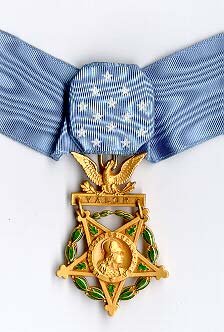
After his burial in Colebrook Cemetery in Whitman, Massachusetts, Fox was awarded the Distinguished Service Cross in 1982. His wife received the Medal of Honour (MOH) from president Bill Clinton in 1997. The MOH has always been considered the highest military decoration of great courage against all odds. In Italy, a monument was erected in Sommocolonia in commemoration of Fox and the other eight soldiers killed in the artillery fire attack of 1944. Lastly, a peace park in Sommocolonia was dedicated in memory of John R. Fox.
Other military awards and honors that John R. Fox received:
Bronze Star Medal.
Combat Infantry Badge.
Purple Heart Award.
World War II Victory medal.
American Defence Service Medal.
Hasbro’s 12-inch action figure.
Final Thoughts
Sacrificing your life to save others requires a heart of gold and a winning spirit guided by a positive mentality. These are the virtues that John Robert Fox stood for, thus continuing the military’s highly valued traditions. John R. Fox deserved the Medal of Honor his wife received later in his name and is revered as an American hero.
In the busy port city of Northern Germany lay the ruins of a structure that currently acts as a museum and a memorial of World War II. Having been brought down by different disasters, St. Nicholas church, Hamburg, was once the tallest building in the World (1874-1876). The saddest moment in the history of St. Nicholas church, Hamburg, was when it was bombed by the Allied forces in World War II under operation Gomorrah in 1943. But what exactly happened to this significant architectural structure that once held the record of being the World’s tallest building?
St. Nicholas Church, Hamburg History
The first structure of St. Nicholas Church, Hamburg, is dedicated to the patron saint of sailors who went by the same name, was built back in the 12th century. Facing the Alster River, the wooden chapel developed into a brick and stone building. The brick and stone structure remained in place until 1842 when it was destroyed by the great fire of the mid-19th century. It burned to ashes, but soon after the fire, Hamburg’s local citizens started fundraising to build a new structure.
The Great Fire of Hamburg
With over 1700 residences destroyed and 51 people dead, Hamburg’s great fire was one of the most aggressive and destructive disasters of its time. It began early on May 5th, 1842. It burned until May 8th, 1842, displacing people and destroying buildings, one of the destroyed buildings was the old structure of St. Nikolas Church of Hamburg. Many people claim` that the fire originated from a cigar factory at DeichstraBe at night as a neighbor alerted the guard on watch at around 1 a.m. With dry weather, strong winds, and most of the buildings constructed from dried wood, the destruction had full support from the prevailing conditions. That is why it went on and on, destroying structures in the neighborhoods of Hamburg.
Reconstruction
Based on the neo-Gothic style, a new St. Nikolas church structure was constructed. The construction ran from 1846-1874 with the completion of a 147.4-meter spire. After that, St. Nikolas church, Hamburg would then take the title of being the tallest architectural structure globally. Holding the title from 1874 to 1876 until the Rouen Cathedral building in France dethroned it.
World War II Bombing
Just like the biblical Sodom and Gomorrah, operation Gomorrah was all about total aerial destruction of anything and everything that could be seen on the ground. Bombs landed heavily from the sky on the second-largest city in Germany at that time. Buildings were brought down, lives were lost, and property destroyed, leaving nothing but a mess in Hamburg. People struggled to run against the wind on the streets, stepping and jumping on the bodies that lay helplessly on the road. Some dead, others alive in desperate need of help. The Allied forces made these attacks under a plan they termed strategic bombing. Strategic bombing involved sustained attacks on civilians’ houses, city harbors, railway stations, and industrial hubs of the enemy territory. The church building of St. Nikolas, Hamburg, was destroyed during this attack. The rain of firestorms was under the command of the British Royal Airforce and the US Airforce. The attack brought down the church leaving only the spire, having been relatively scathed by the bombs.
Renovated museum
St. Nicholas church’s ruins were renovated into a memorial and a museum for World War II victims. It showcases the effects of war through interactive means such as images, audio, and videos. There is a permanent exhibition titled: ‘Gomorrah 1943: Hamburg’s Destruction through Aerial Warfare’. It provides an all-exclusive line-up of events leading up to the bombing, the actual bombing, and what followed afterward in a bid to reconstruct and heal from the disastrous event. A glass elevator takes visitors up the St. Nikolas church’s spire, the fifth-highest church steeple in the world at 76 meters. From here, visitors can view the port, Hamburg’s city center, and the Alster lakes. Adding to the experience are the images of operation Gomorrah attacks.
Neighboring sister churches
From the St. Nikolas church spire, visitors can also view the neighboring sister churches. They include:
St. Petri’s Church
Hamburg’s oldest church contains the city’s highest accessible viewing platform at 123 meters.
St. Michael’s Church
Hamburg’s largest church with a stunning bell tower offering a panoramic view of the city.
Neuengamme Memorial
A former concentration camp is now serving as a memorial and research center in Bergdorf.
Conclusion
St. Nicholas Church memorial and museum are proof of the adverse effects war has on people and structures. Its conversion into a museum and a monument remind visitors where we came from and why war should be avoided.
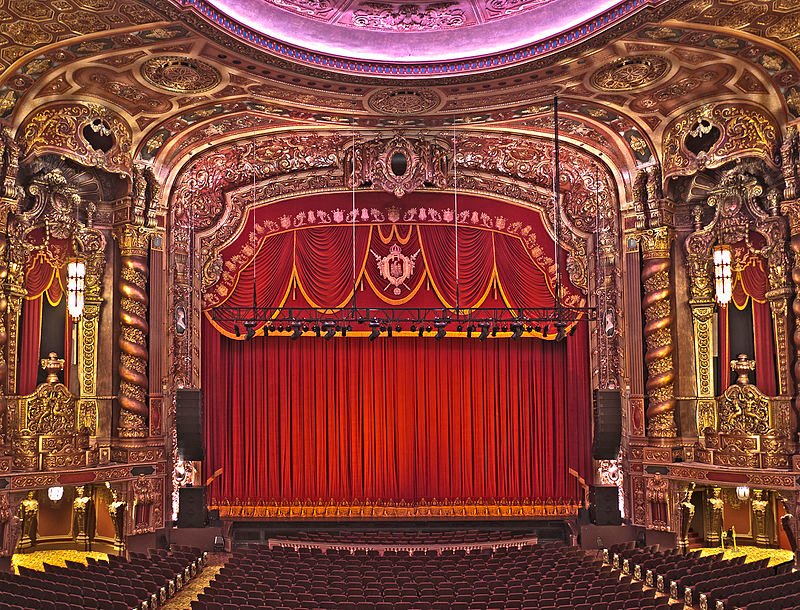
More than three decades ago, Loews Kings theatre closed down. The renovation and restoration of the Loews Kings Theatre mark the rebirth of an excellent historic arts area. The theatre is a center for cultural activities and a hub for economic growth throughout Central Brooklyn. After numerous threats of demolition, the theatre was finally renovated and restored. The renovation took around two years, and it cost $95 million. Today, the newly opened theatre has brought a new look to the state of New York. It is actually the largest theatre in Brooklyn and the 3rd largest theatre in New York with 3,676 seats.
Theatre History
In the ‘50s, this single screen theatre could not compete with television. In August 1977, after showing “Islands in the Stream,” the curtain fell for the last time in the Loews King theatre. By the time the city was seizing the theatre for back taxes, there were a few campaigns to save it, but the campaigns weren’t successful.
The Kings Theatre borrows its design from an elaborate French Renaissance style inspired by the Palace of Versailles and the Paris Opera house. It brings you the best movies and features stage shows with performers like Bob Hope, Milton Berle, and Burn and Allen.
Events at The Kings Theatre
The Kings Loew Theatre is more than just a building and a place where people come to gather. It hosts family shows like the Hip Hop Nutcracker and serves Brooklyn’s diverse population. Kings Theatre had ditched live shows in favor of double features for as low as 25 cents a ticket before its closure. In the 1940s, this theatre hosted beauty pageants, war bond rallies, and high school graduations.
Theatre Restoration
The theatre’s closure led to neglect, water damage, and vandalism for a couple of decades. In January 2013, the Bloomberg administration, Houston-based ACE Theatrical Group, partnered with Goldman Sachs, borough, city, state, and federal entities to restore the theatre. The results now are breathtaking, with the theatre being even more beautiful than before.
It has extra rooms for housing stage equipment, dressing rooms, and a loading dock with a massive packing basement. The Kings Theatre aims to be a community theatre; whether you want a family show, comedy, or a concert, there is something for everyone. Apart from the films, this theatre has created over 500 jobs for the local community, including 55 permanent jobs.
The Kings’ Sister Wonder Theatres
The Loews Kings theatre is one of the five “Wonder Theatres,” named after Robert Morton Wonder Organs. However, the plans and the land got sold to Loew’s inc. to solidify New York as Loew’s home base. These five theatres exist, and since Loews Kings Theatre is now open, the other four are open as well. These wonder theatres include:
Loew’s Valencia
The theatre has a lavish Spanish style decoration with a ceiling that has twinkling stars. It is now preserved as a church by the Tabernacle of Prayer for all people since its closure in 1977. Each year, it offers several tours available to members of the public.
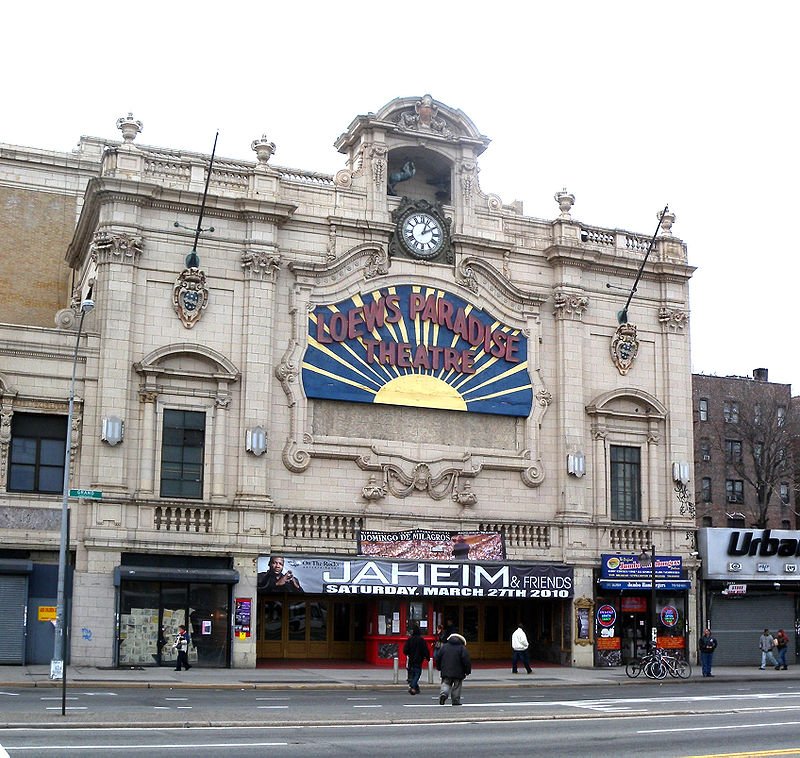
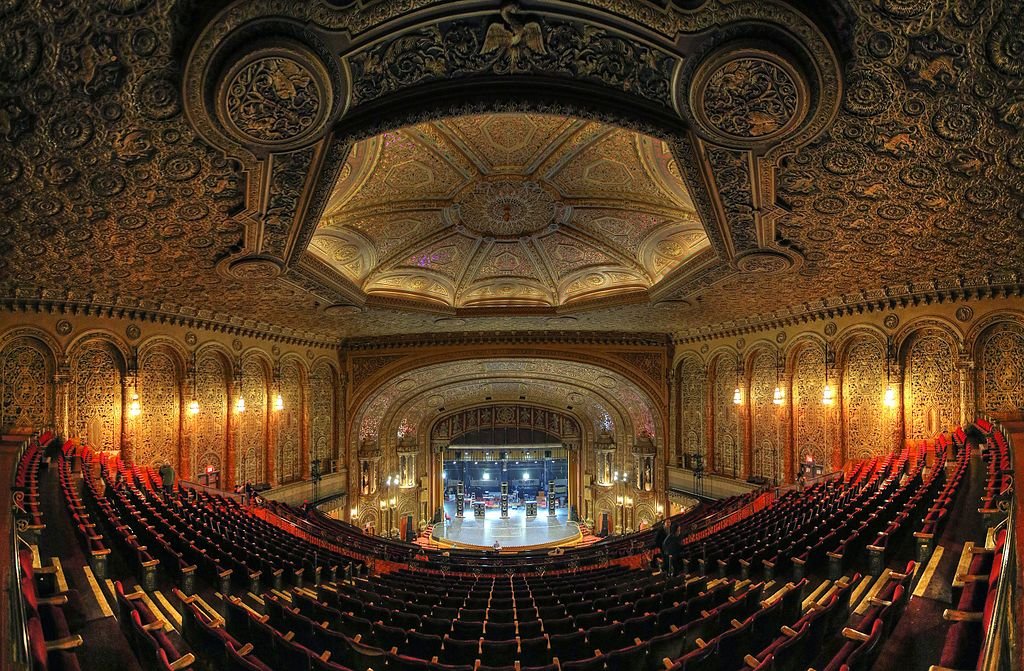
Loew’s Paradise
Like Loew’s Valencia, this magnificent movie palace opened its doors the same year as the Loews King Theatre. It was later closed in 1994 and is now open as a single auditorium for concerts and special events.
Loew’s 175th Street
This theatre occupies an entire city block on Broadway in Washington. After its closure in 1969, an evangelist brought it to use as a church. Currently, it’s a renowned concert venue where movies are shown once a month.
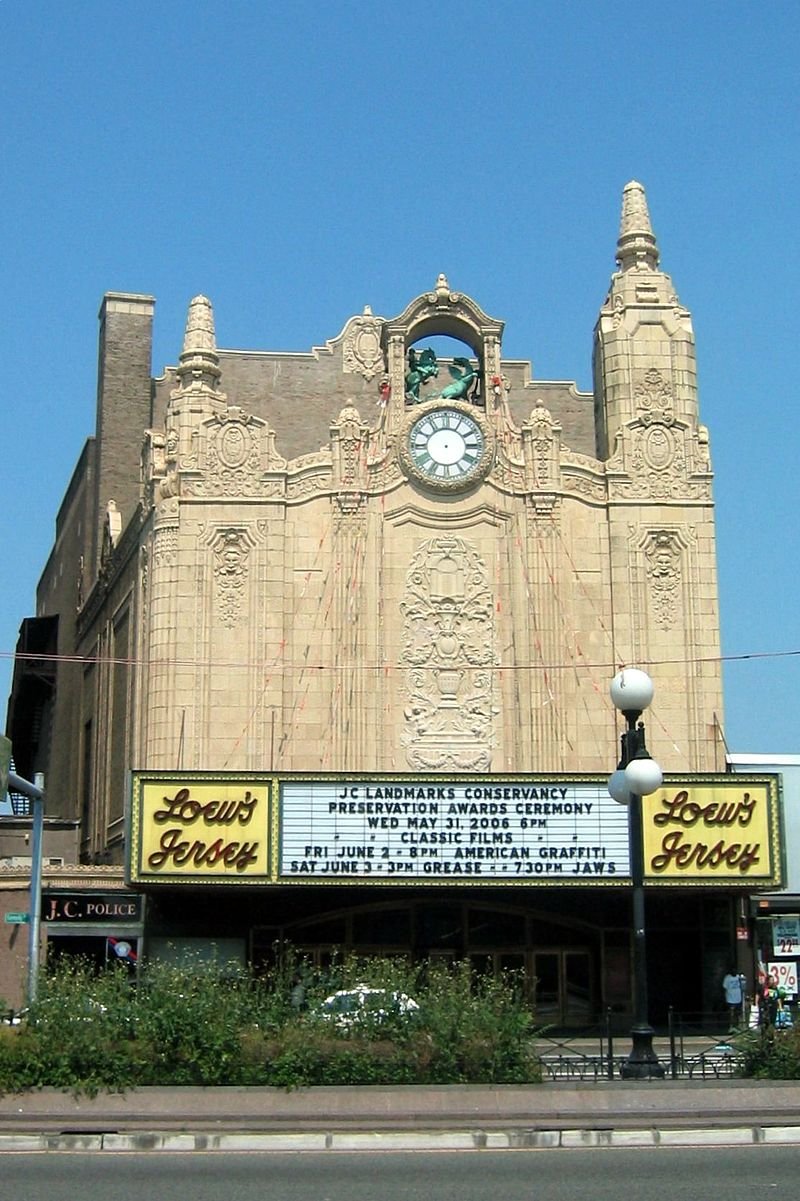
Loew’s Jersey
This theatre has a similar French style as Loews Kings Theatre. Loew’s Jersey got subdivided into three screens before its closure. Following its restoration, the theatre is now reopened for monthly movies and live events. Surprisingly, this is the only Wonder Theatre with a functioning Wonder Organ today.
Conclusion
You can now visit Loews Kings Theatre as it hosts over 250 performances each year, including movie films. The entire Brooklyn neighborhood benefits from the newly renovated theatre, with new businesses around the area set to open. For instance, half a mile from the Kings Theatre is a redesigned Flatbush Caton Market opened in 2020 with space for vendors and units of affordable housing. These new stores and businesses have brought new jobs, visitors, and economic growth to the community.
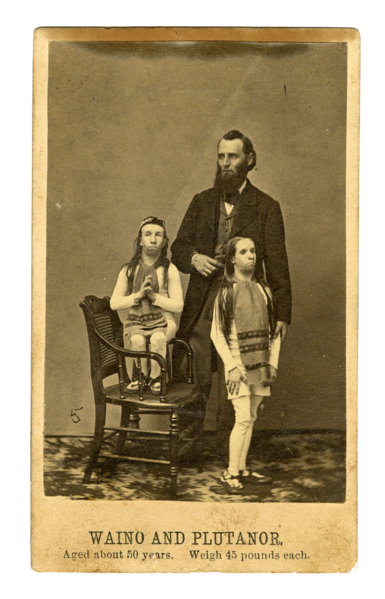
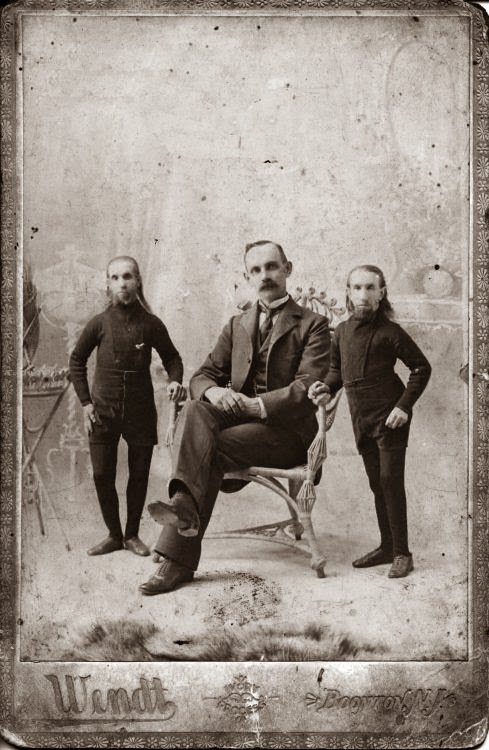
The year was 1827, and little Hiram was so excited to be getting a little brother. His father, David Harrison Davis, and his mother, Catherine Blydeburgh, had moved their family from England shortly after Hiram was born. Now, the three-year-old could hardly wait to welcome little Barney into the world. As Hiram and Barney grew, it became apparent that they were not like other boys. It might be more accurate to say that they didn’t grow. Reaching a height of only 3 feet, 4 inches, and weighing in at a mere 45 pounds each, it would be an understatement to say that the Davis boys were different, yet those differences didn’t stop them from living the most ordinary lives they could manage. Their so-called ordinary lives went out of the window when Hiram was 27. He and his 25-year-old brother had discovered that – even though they were barely half the size of most ordinary men – they each possessed a strength that was more than a match for their unhindered peers. Neither of them had a problem lifting a full-grown man, despite the fact that he weighed four times more than they did!
Early Career
This incredible spectacle was noticed by a traveling showman who went by the name of Doctor Warner, and he was quick to hire Hiram and Barney. He put them to work under a new moniker: Waino and Plutanor, the Wild Men of Borneo! The newly christened Wild Men left their mother – widowed ten years before – in the capable hands of her new husband and began their tour across the nation with Doctor Warner. Over the next few years, the brothers were featured in state fairs across the United States, displaying feats of strength such as lifting increasingly heavyweights, picking up audience members, and even challenging the spectators to wrestling matches. During this time, they changed managers at least once, and they were working with a Hanford A. Warner, a relative of the original Doctor Warner, by 1875. Highly successful, valued at $50,000 – which is the equivalent of over 1 million dollars today – and performing at the New American Museum in Manhattan, the brothers decided to join the circus. They teamed up with a gentleman named William C. Coup and started another tour of the nation.
Making It Big
Their fortunes changed again, however, in 1882 when they met another manager by the name of P. T. Barnum. Phineas Taylor Barnum had a successful and varied career. He had served as a politician in both Connecticut and Virginia, dealing with issues such as the ratification of the Thirteenth Amendment and the founding of Bridgeport Hospital in Bridgeport, CT. Not to be stymied by old age, Barnum established P. T. Barnum’s Grand Traveling Museum, Menagerie, Caravan & Hippodrome in 1870, at the age of 60. This “Greatest Show on Earth” would later receive a name change: The Barnum and Bailey Circus. By 1882, however, Barnum had experienced moderate success with his traveling show of animals and museum of “freaks.” After seeing the Wild Men of Borneo perform, he believed they would make an excellent addition to the show. And so the Davis brothers continued their performances under the new tutelage and leadership of P.T. Barnum, and with his help, they became wildly famous. The Wild Men toured for 25 years with the Grand Traveling Museum and found enormous success, earning around $200,000 during their tenure with Barnum, which is an enormous amount during those days. This amount is estimated to be equivalent to 6 million dollars today. The Wild Men of Borneo act was essentially a strongman performance but made all the more spectacular by the small size of Waino and Plutanor. They continued lifting weights and audience members, as well as wrestling both audience members and each other. Supposedly, each brother could lift up to 300 pounds.
Late Career and Retirement
After their tenure with P.T. Barnum, the brothers began performing at Eugene Robinson’s Dime Museum and Theatre, allowing them to settle down after nearly 40 years of traveling shows. They were a consistent hit for Eugene, and they continued to perform after Eugene’s son took over. By 1903, however, the brothers had enough; they finally retired from performing and settled down in Massachusetts, close to their old friend and former manager, Hanford Warner. Hiram Davis died on March 16, 1905, and his brother died seven years later, on May 31, 1912, and they were both buried under the same marker, which read “Little Men.” Some might argue that the marker is a misnomer, however, for though the Davis brothers may have been small of stature, the lives of the Wild Men of Borneo were bigger than life.