Kazakhstan’s Kaindy Lake: Home to Haunting Underwater Ghost Trees

While it sounds like something out of a fairy tale, Kazakhstan’s Kaindy Lake is home to an upside-down, underwater forest. Located in the southeastern Tien Shan Mountains, this lake was formed by an earthquake that hit the area. It led to a massive landslide that blocked the gorge and formed a natural dam. With time, rainwater covered the valley creating a lake. Kaindy Lake receives thousands of visitors each year who are curious to see the unearthly, limestone blue water and submerged tree limbs that pokes out from beneath the water.
 Lake Kaindy covers about 400 meters, with its deepest point being about 30 meters. The number of unique dead and bleached Picea Schrenkiana trees rising above the water surface makes the lake so interesting. Together with the improbable turquoise water, these trees’ ghostly image makes the place an unforgettable travel destination. When viewing the sunken trees from above, they appear as large masts from lost ghost ships or even a mysterious army hiding underwater, waiting for the chance to emerge. See, the ice-cold water has been preserving the trees’ trunks for close to over 100 years now. Lake Kaindy has clear mountain water allowing you to see deep into the expanse of the lake. Another unique characteristic of this lake is that the upper part of the trees protruding from the surface lost their branches and bark, so the wood turned white. It’s also home to the world’s largest evergreen tree that grows to 130 to 160 feet. Despite their eerie appearance above water, the lower part of the trees seems to be thriving beneath the water, and many branches are intact. Some tourists go swimming in the lake just to see the underwater forest.
 To make your way to Kaindy Lake, you’ll need to hire a vehicle that can handle the rough roads. You’ll pass through Saty Village from Almaty, then drive to the lake. Or you can hop on a bus tour. Then there’s a walking distance where cars can’t access, there are lots of cultural activities to experience along the way, and the local cuisine is exceptional. You can also ride a horse from Almaty to the lake since many Kazakh men have horses. The community here has developed a bridge made of logs used when crossing from one side to another, and that way, you get to view the stunning lake from above it. This lake freezes during winter and transforms into the perfect spot for trout fishing and ice diving. The temperature of the lake never gets above 6 degrees centigrade, even during summer. There is an entry fee to the lake, around 550 KZT per person, and an additional 500 KZT for bus tours. The amount can only be paid in cash; credit cards are not accepted. The best way to visit Kaindy Lake is by using a bus tour because they’ll direct you to the best areas to view the lake, and they know their way around the place. On your way to the lake, you’ll get to view desert and canyons before getting to see the ghostly looking trees.
 The month of September happens to be the best time to tour the lake as the trees display a variety of colors. While the weather is ideal during the summer, the place is less crowded in the fall and you’ll spend less traveling off-season.
History of Lake Kaindy and The Ghostly Trees
 Lake Kaindy covers about 400 meters, with its deepest point being about 30 meters. The number of unique dead and bleached Picea Schrenkiana trees rising above the water surface makes the lake so interesting. Together with the improbable turquoise water, these trees’ ghostly image makes the place an unforgettable travel destination. When viewing the sunken trees from above, they appear as large masts from lost ghost ships or even a mysterious army hiding underwater, waiting for the chance to emerge. See, the ice-cold water has been preserving the trees’ trunks for close to over 100 years now. Lake Kaindy has clear mountain water allowing you to see deep into the expanse of the lake. Another unique characteristic of this lake is that the upper part of the trees protruding from the surface lost their branches and bark, so the wood turned white. It’s also home to the world’s largest evergreen tree that grows to 130 to 160 feet. Despite their eerie appearance above water, the lower part of the trees seems to be thriving beneath the water, and many branches are intact. Some tourists go swimming in the lake just to see the underwater forest.
How to Get to Lake Kaindy
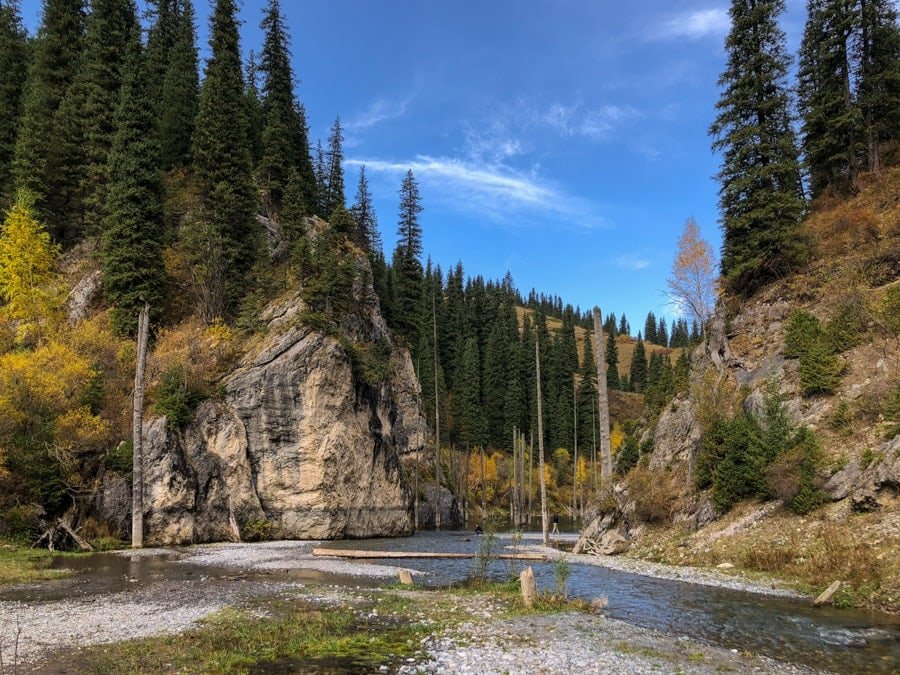 To make your way to Kaindy Lake, you’ll need to hire a vehicle that can handle the rough roads. You’ll pass through Saty Village from Almaty, then drive to the lake. Or you can hop on a bus tour. Then there’s a walking distance where cars can’t access, there are lots of cultural activities to experience along the way, and the local cuisine is exceptional. You can also ride a horse from Almaty to the lake since many Kazakh men have horses. The community here has developed a bridge made of logs used when crossing from one side to another, and that way, you get to view the stunning lake from above it. This lake freezes during winter and transforms into the perfect spot for trout fishing and ice diving. The temperature of the lake never gets above 6 degrees centigrade, even during summer. There is an entry fee to the lake, around 550 KZT per person, and an additional 500 KZT for bus tours. The amount can only be paid in cash; credit cards are not accepted. The best way to visit Kaindy Lake is by using a bus tour because they’ll direct you to the best areas to view the lake, and they know their way around the place. On your way to the lake, you’ll get to view desert and canyons before getting to see the ghostly looking trees.
Best Time to Visit Lake Kaindy
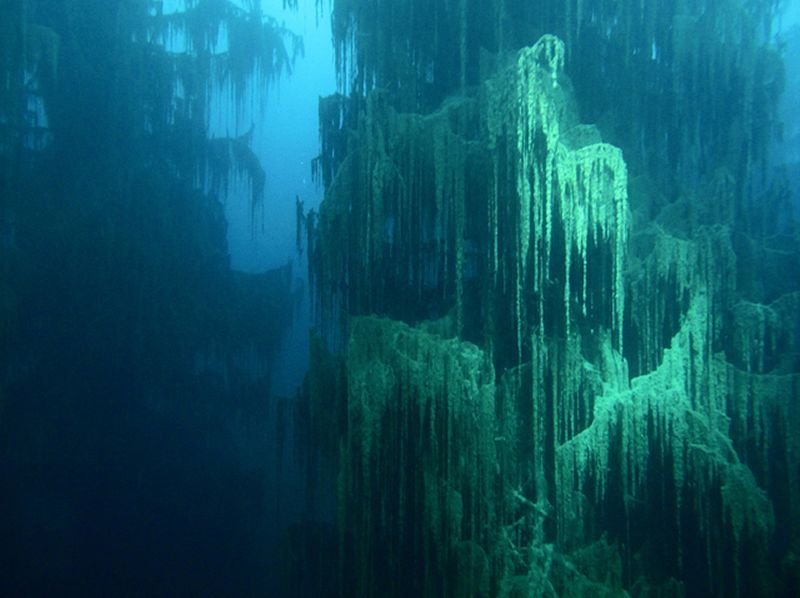 The month of September happens to be the best time to tour the lake as the trees display a variety of colors. While the weather is ideal during the summer, the place is less crowded in the fall and you’ll spend less traveling off-season.
What to Carry When Visiting Lake Kaindy
- Hiking Boots: This is a nature trip, and you’ll be doing lots of walking. Bring sturdy shoes to avoid hurting yourself on the path.
- Water Bottle: The water in Kazakhstan’s local villages isn’t always fresh or clean for drinking, but there are few places you can find clean water to refill. Ideally, you’ll want to bring your own water or a water purifier.
- Cash: Come prepared with enough money for all the activities you have planned, including the entry fee for the lake. There is no ATM around the lake and its surrounding areas.
- Dry bag: If you plan on hiking at Kaindy Lake, you should know that once you start the journey, there’s no turning back, regardless of the weather. Bring a dry bag to protect your belongings and waterproof gear to shield you from the rain.