

Unearthing the Mighty Ox: Key Insights into the Ox Animal

What distinguishes the ox animal from other bovine animals, and how has it shaped human agriculture across centuries? Commonly recognized as a castrated male used for its strength and fortitude, the ox animal has a storied history in farming and transport. Explore their defining features, roles in past and contemporary agriculture, and their cultural imprint worldwide.
Key Takeaways
- Oxen, defined as castrated male cattle of Bos taurus or B. taurus primigenius, are historically significant draft animals chosen for their impressive size and strength, and are distinct from bison or buffalo.
- Their utility extends beyond agricultural plowing to powering early industrial machinery and heavy goods transportation, marked by their ability to pull immense loads and respond to verbal commands and teamster gestures.
- Oxen carry cultural and modern significance, representing virtues like hard work and determination in various mythologies, and are still used in sustainable farming today, highlighting their ongoing relevance and the importance of their care and welfare.
Understanding the Ox: Definition and Origins
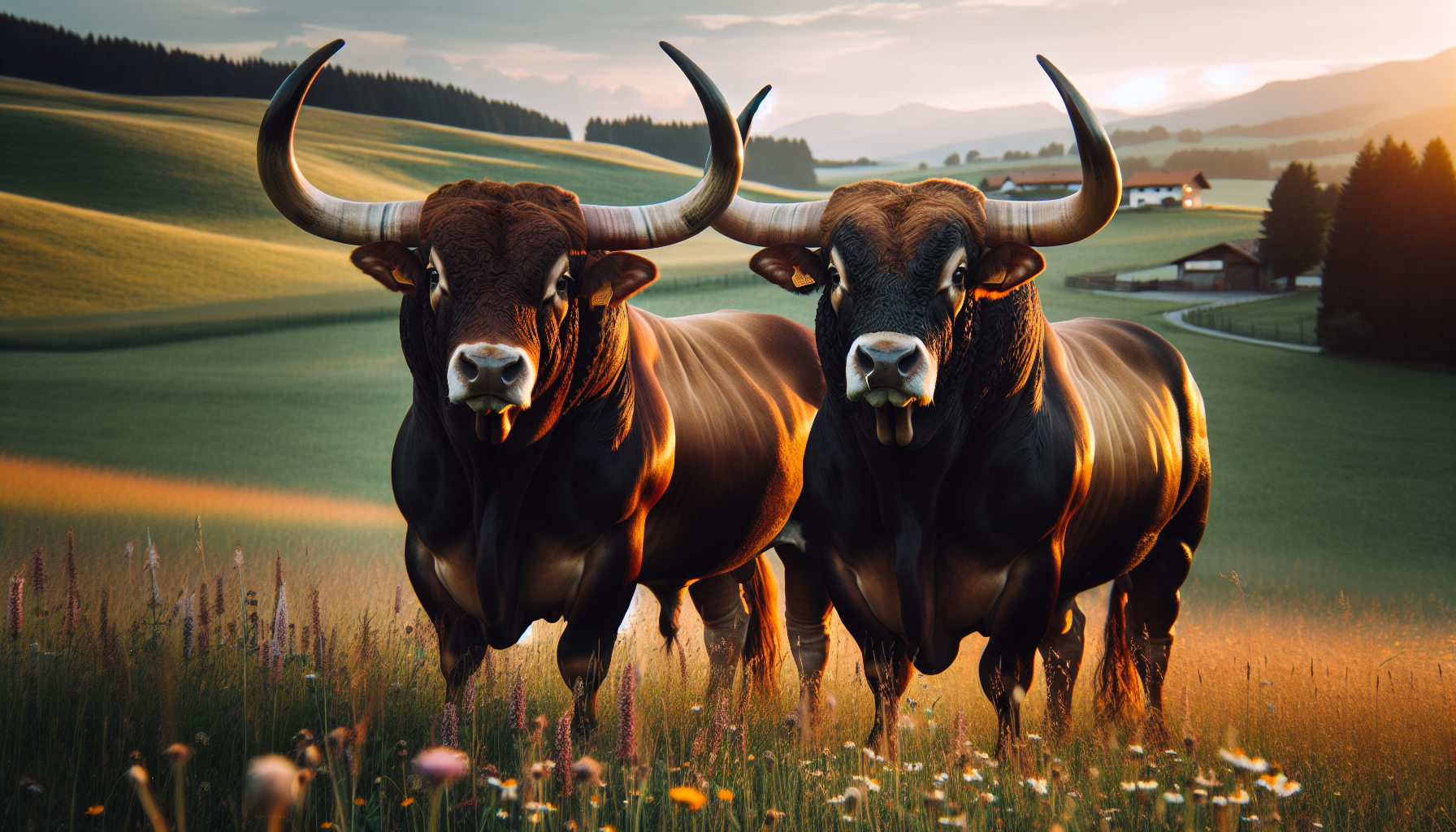 The ox, a domesticated bovine, is much more than it seems. It is a castrated male of the domestic bovines species, scientifically classified as Bos taurus or B. taurus primigenius. Unlike bison or buffalo, which are distinct species, the term ‘ox’ specifically refers to these castrated male cattle, selected for their size and strength. Humanity’s connection with oxen has a deep-rooted history. Around 4000 BC, the first oxen were harnessed and put to work, marking the beginning of a long history of domestication for draft purposes. From then to now, the ox continues to be a stalwart companion in human progress.
Distinctive Features of Oxen
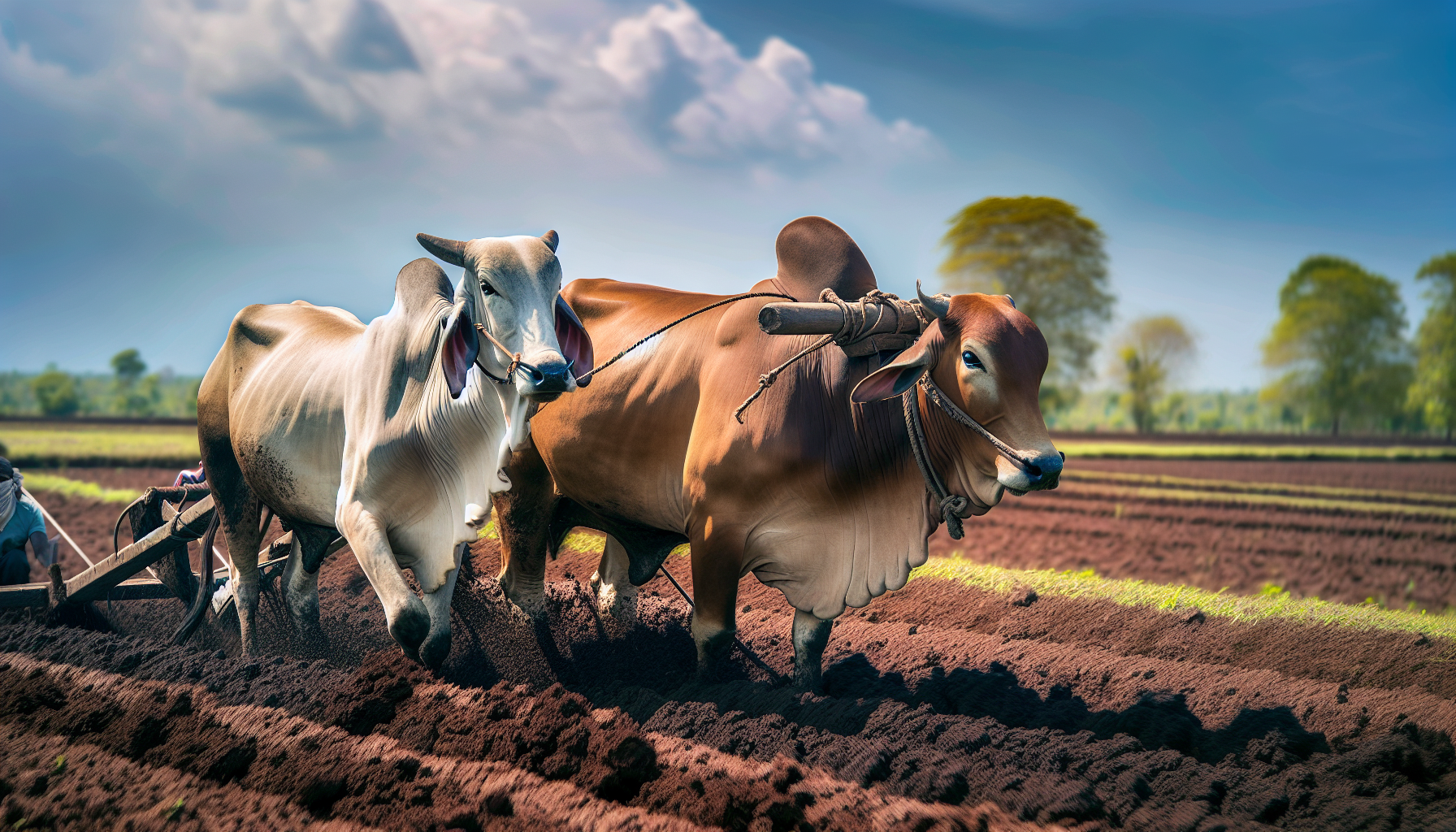 As part of the domestic cattle family, oxen are renowned for their strength in the animal kingdom. Weighing between 1,500 to 3,000 pounds, they are chosen for their notable size and strength, which are essential for their role in agricultural work. In some cases, a team of eight oxen can be utilized to maximize efficiency and power in the field, even surpassing the capabilities of their wild oxen counterparts. The horns of an ox are among its most distinguishing features. These long, pointed projections, made of keratin, the same substance as human hair and nails, come in various colors including:
- creamy
- white
- brown
- black patches
The Role of Oxen in Agriculture and Transport
As a part of the domesticated cattle family, oxen have played a pivotal role in agriculture and transport. From plowing fields to powering machines and hauling freight, oxen have been instrumental in the development of human societies.Plowing the Fields: Oxen at Work
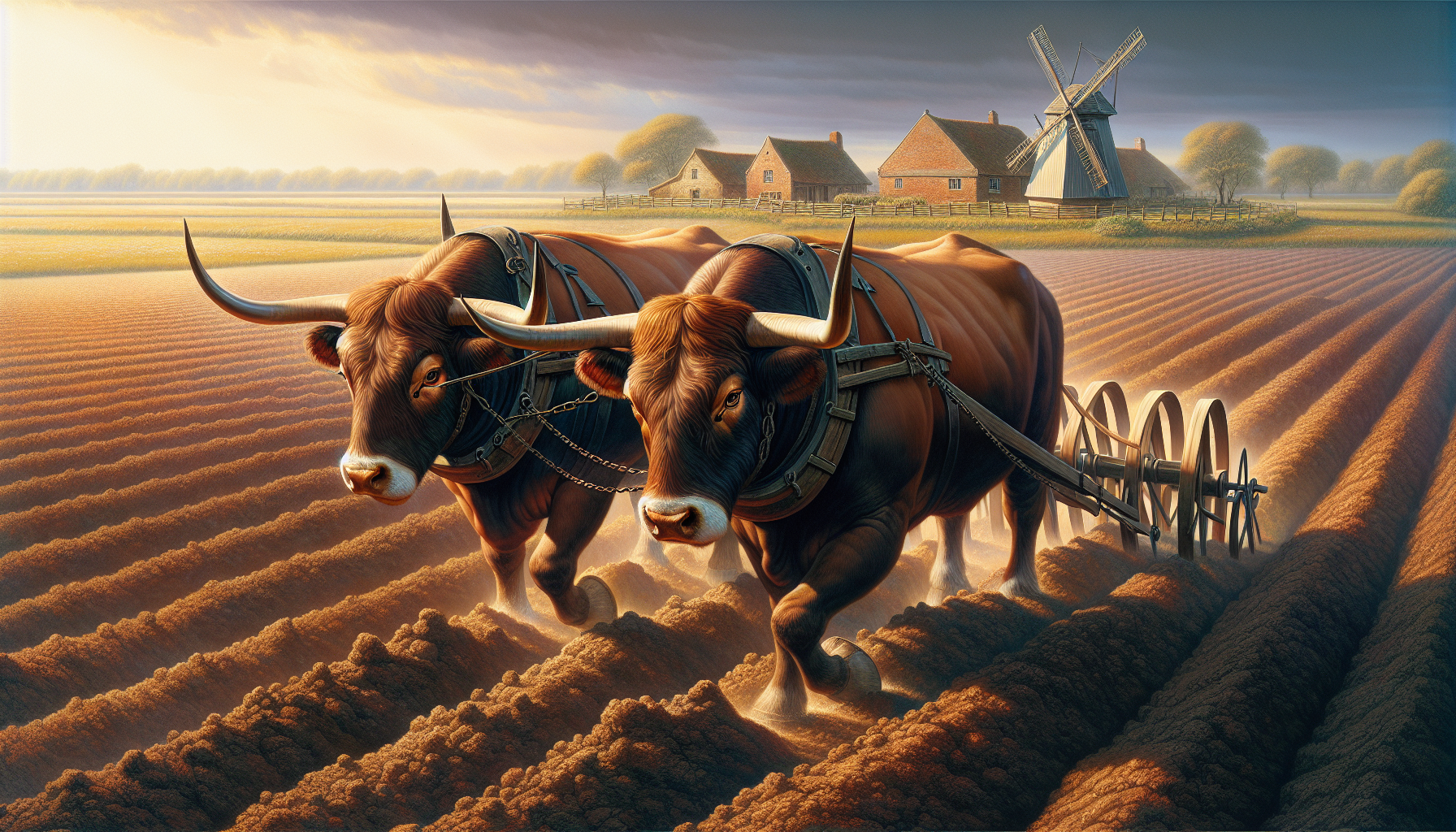 The advent of farming was revolutionized by the strength of oxen. They were painstakingly trained to pull plows and other agricultural implements, transforming hard manual labor into efficient, animal-driven work. This was especially true for a Sussex farming family, who relied on the power of these animals to maintain their livelihood. The yoke, an instrument with few moving parts, is essential for harnessing the power of oxen for plowing. Traditionally, oxen are yoked in pairs, their number depending on the weight of the load and the difficulty of the terrain. This simple but effective technique has been passed down through generations and is still practiced in many parts of the world today.
Powering Machines: From Grinding Grain to Hauling Freight
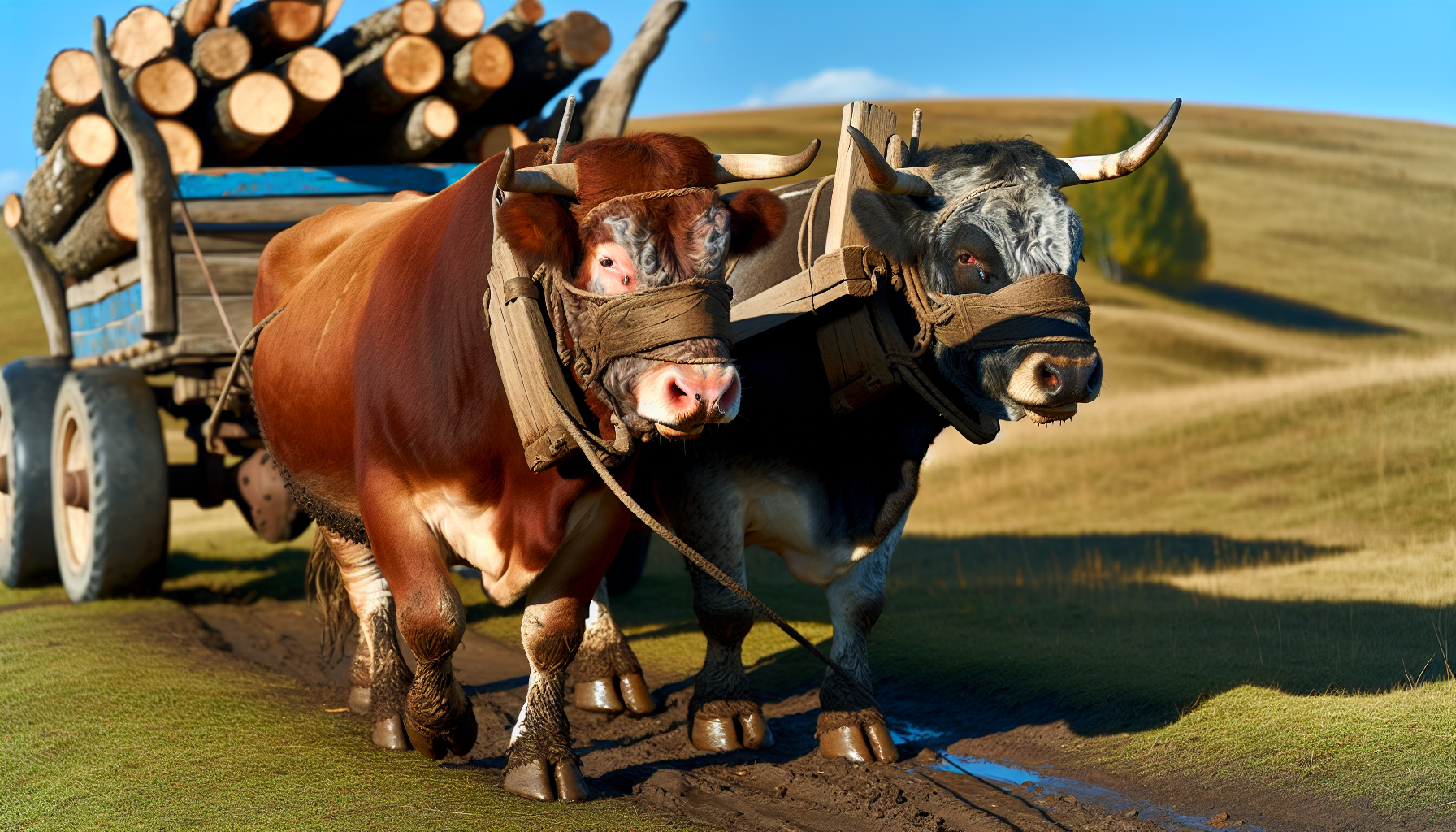 Not just limited to plowing, oxen were integral in driving early industrial efforts. They played a crucial role in the operation of grain mills, where their strength was harnessed through a complex system of gears and shafts to grind grain into flour. Oxen also proved to be exceptional freight haulers. Using ox-wagons or bullock wagons, they were integral in transporting heavy loads across great distances, especially in regions like Southern Africa, New Zealand, and Australia before the advent of modern transportation infrastructure.
Behavioral Traits and Training Practices
The efficiency of oxen as draft animals not only hinges on their physical strength but also their temperament. A calm temperament and early engagement with humans are essential in young oxen to enhance their work efficiency. Training starts early, initiating with mild human contact and introduction to halter and lead ropes, well ahead of their introduction to physical work. Ox trainers ensure that oxen are trained to understand and obey a set of verbal commands and gestures from the teamster, ensuring their responsiveness and cooperative behavior.The Life Cycle of an Ox
An ox begins its journey of life as a small calf. Depending on the breed, a newborn calf weighs between 60 and 100 pounds and it is brought up in individual calf hutches, where it’s fed a milk replacer 1-3 times daily for about two months. From these humble beginnings, the calf goes through several stages of growth:- It starts off drinking milk from its mother.
- It transitions to group housing by six months.
- It consumes a diet of silage, hay, and grain.
- By the time it reaches one year old, it weighs between 471 and 700 pounds, depending on the breed.
Conservation and Population Dynamics
Although they have a powerful presence, certain oxen species such as the muskoxen have been threatened with extinction. Conservation efforts, however, have brought them back from the brink, with current global populations ranging between 80,000 to 125,000. Muskoxen adapt their habitats seasonally and live in social herds, usually consisting of 10-20 individuals. Their survival is a testament to the effectiveness of conservation efforts and the resilience of these magnificent creatures.Comparing Oxen to Other Draft Animals
While oxen share some similarities with other draft animals like horses, they also have their distinct advantages as a draft animal. Historically, they have proved more capable in pulling heavier loads due to yoke designs that are more anatomically suitable for their neck and shoulder structure. Despite being slower than horses, oxen’s greater load capacity and ability to work for extended periods make them more suitable for certain types of draft work, like breaking sod or plowing wet, heavy soil. Their strength and endurance have earned them a special place in the realm of draft animals, alongside draft horses.The Cultural Significance of Oxen
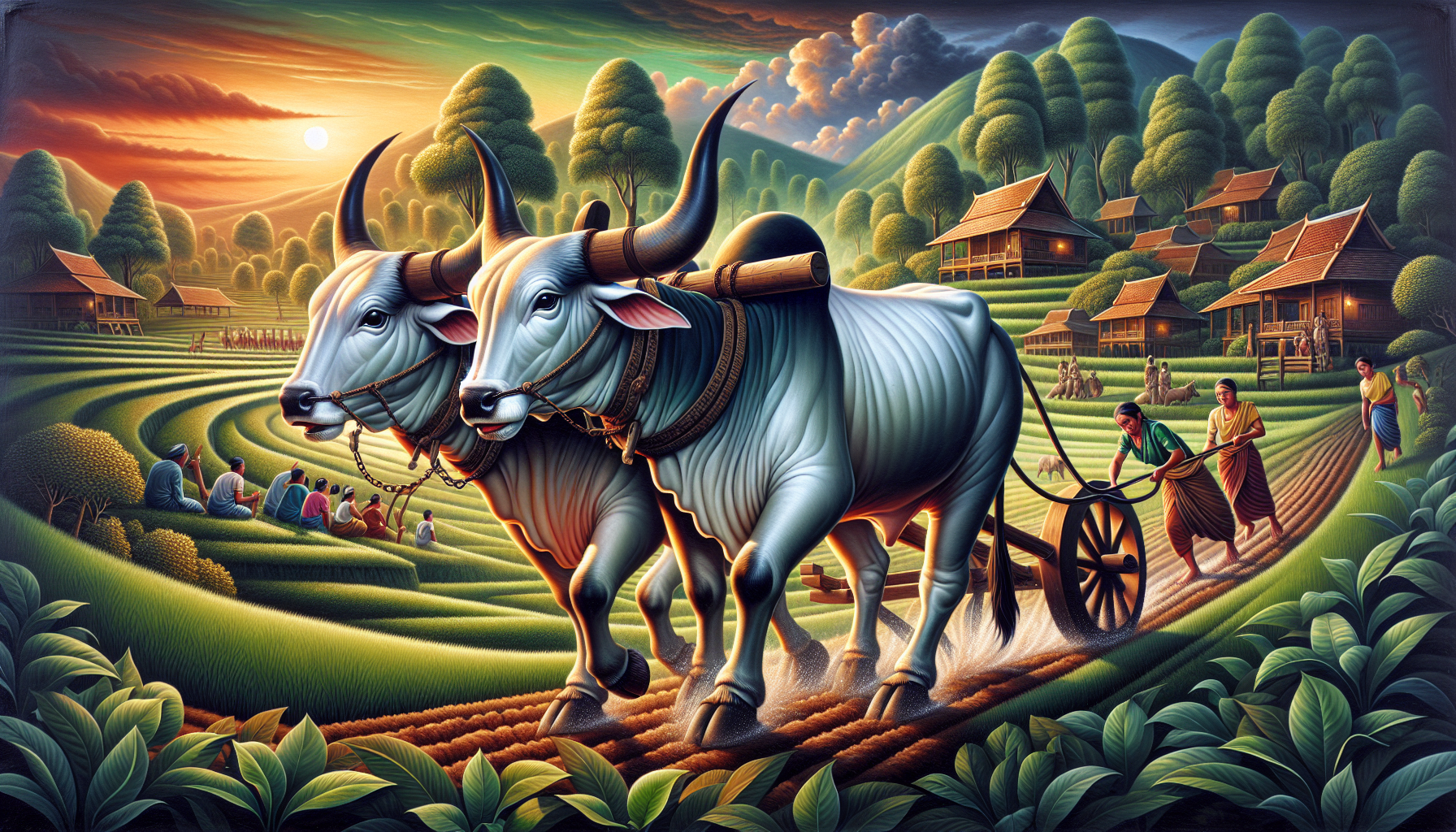 Oxen carve out a special niche in the cultural fabric of humanity. In various mythologies and traditions, they symbolize virtues like:
- hard work
- reliability
- strength
- determination
- hard work
- reliability
- strength
- determination
Modern-Day Uses and Adaptations
In today’s world, the strength of the ox is utilized in creative ways. In sustainable farming, oxen serve as a practical and economical source of power, especially for small acreage farmers. They can perform tasks such as cutting, raking, and loading hay, all without the need for internal combustion engines, leading to reduced fuel costs. The use of oxen in farming can:- Build farm brand recognition
- Enhance customer loyalty
- Attract public interest
- Play a role in agritourism and educational programs


